button
A A A

Types of Cholesterol

Understanding cholesterol for your healthy heart
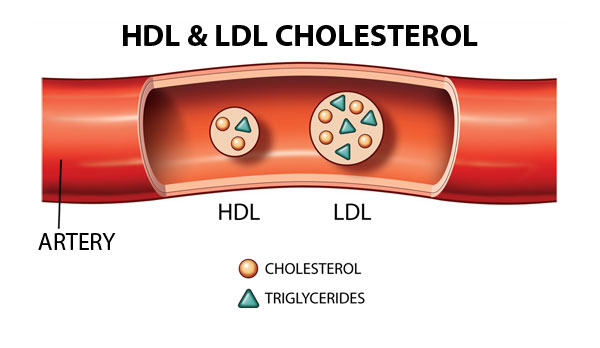
There are a number of fats, or lipids, that naturally circulate in the bloodstream. Here is a brief overview of cholesterol basics or the main types of cholesterol that you hear about most often including HDL cholesterol and LDL cholesterol.

What is total cholesterol?

  • Total cholesterol is a total measure of the fats found in the blood, which include high-density lipoprotein (HDL) cholesterol, low-density lipoprotein (LDL) cholesterol, and triglycerides4
  • A desirable level of total cholesterol in your blood is <200 mg/dL4

What are lipoproteins?

  • Lipoproteins are particles in the body that are made up of cholesterol and protein. Lipoproteins help move cholesterol through the bloodstream4

What are the different types of cholesterol?

  • High-density lipoprotein (HDL) cholesterol4
    • HDL cholesterol is also known as good cholesterol because it is thought to help move cholesterol out of the arteries and into the liver so the body can get rid of it
    • HDL is an important factor in heart health
    • With HDL, higher numbers are better. A normal level of HDL is higher than 40 mg/dL5
  • Low-density lipoprotein (LDL) cholesterol4
    • LDL cholesterol is also known as bad cholesterol because it accumulates on artery walls and forms a plaque-like substance
    • An optimal level of LDL cholesterol in your blood is <100 mg/dL

What are triglycerides?

  • Triglycerides are the chemical form in which most fat exists in food as well as in the body4
  • A normal level of triglycerides in your blood
    is <150 mg/dL4
LDL and HDL

SLO-NIACIN® Tablets can help maintain good cholesterol (HDL) within the normal range.*1 With a unique polygel® controlled-release system, SLO-NIACIN® Tablets gradually deliver nicotinic acid into the body and are designed to help reduce the incidence of flushing that is sometimes associated with niacin use.

Please consult your healthcare professional before taking any dietary supplement, and especially before taking 500 mg or more of SLO-NIACIN® daily.

*These statements have not been evaluated by the Food and Drug  Administration. This product is not intended to diagnose, treat, cure, or prevent any disease.

IMPORTANT SAFETY INFORMATION


Do not use SLO-NIACIN® Tablets if you have a known sensitivity or allergy to niacin. Do not take niacin unless under your doctor's supervision if you have heart disease (particularly, recurrent chest pain or recent heart attack), gallbladder disease, gout, arterial bleeding, glaucoma, diabetes, impaired liver function, stomach ulcers, or are pregnant or lactating. Before taking 500 mg/day or more, call your doctor. If you are taking high blood pressure or cholesterol-lowering drugs, call your doctor before taking niacin due to possible interactions. Case reports of unexplained muscle-related complaints, including discomfort, weakness, or tenderness, have been documented with HMG-CoA Reductase Inhibitors in combination with niacin. Increased uric acid, glucose, and abnormal liver function tests have been reported in persons taking 500 mg/day or more. Discontinue use and call your doctor immediately if you experience persistent flu-like symptoms (nausea, vomiting, not feeling well), loss of appetite, decreased and dark-colored urine, muscle discomfort or weakness, irregular heartbeat or vision problems. Niacin may cause temporary flushing, itching and tingling, feelings of warmth and headache, particularly when beginning, increasing dosage, or changing brands. This safety information is not all-inclusive. For more information, contact your healthcare provider, or call 1-800-654-2299.